Key Take Aways
- Understanding Customer Self Lock-In: Customers often create their own dependencies on products or services, leading to increased loyalty and repeat business.
- Designing for Self Lock-In: By offering features that encourage customers to invest time or resources, businesses can enhance customer retention.
- Ethical Considerations: It’s important to ensure that strategies promoting self-lock-in provide genuine value to customers and don’t exploit their commitment.
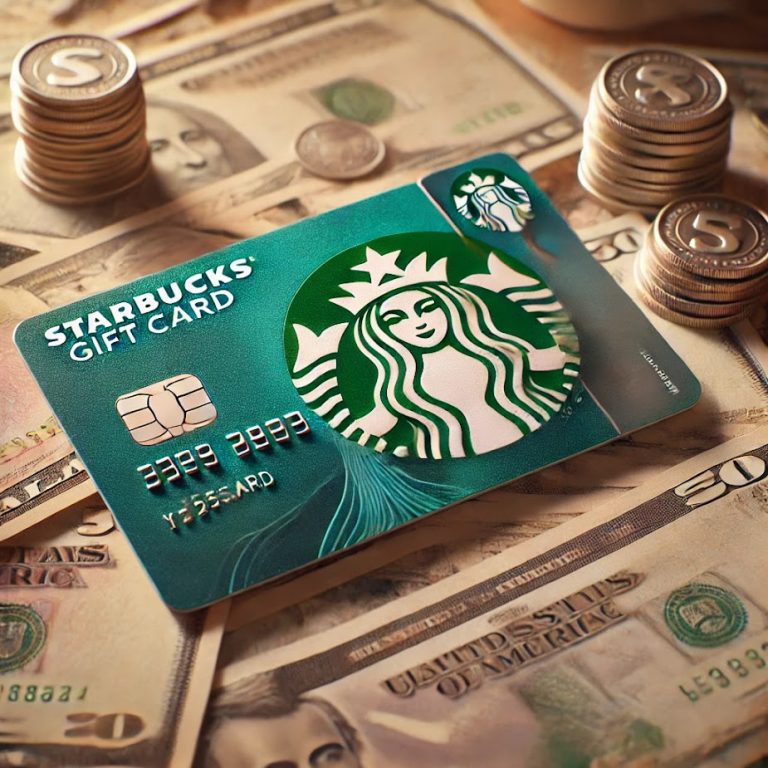
A lot of people Like Starbucks coffee, and most regular customers maintain a balance on their gift cards to pay for their beloved Starbucks. What most customers don’t understand is they are effectively giving Starbucks an interest-free loan. See when you deposit money onto your Starbucks (or any retailer) gift card that money is put into a holding account that earns them interest.
In 2024 Starbucks reported they had $1.77 billion stored in unredeemed gift cards, which is up 9% from 2023. Every bank is different so there is no set interest rate, but just to give an example let’s say Starbucks is getting a 3% interest rate on those holdings. That would mean that Starbucks is making $53,100,000 every time the interest is paid out. Now corporate banking is a different animal than personal or small business banking and I’m not sure how they handle interest payments, but I’ll just assume for this example that they pay out once a month. So that works out to $637,200,000 in free money every year.
Now of course this assumes that no money is added or subtracted as customers redeem and refill their balances, but it illustrates my point. Starbucks is sitting on a massive pile of cash that is making them money for doing nothing other than leaving it there.
Using this knowledge in your business
So how can you use this to generate income for your business? First of all, most retailers have already figured this out and use this method already. For example, my fast food chain of choice is Wendy’s, I maintain a balance within the app even though I only get food from there once a week most of the time. Wendy’s is holding that balance I deposited and earning interest from it, I know this but it’s a convenience to be able to order and pay without having to constantly enter my security code from my debit card.
By allowing Wendy’s to hold my money for me I’m allowing them to earn interest on that money, they offer me a convenience, and I allow them to earn interest in return. Not only does this offer me a convenience, but it gives Wendy’s a built-in lock-in for my business. I now have a balance with Wendy’s and so rather than go to another fast food restaurant I’m more likely to choose Wendy’s because that’s where my money is.
This is what gift cards and vender balances are, a multi purpose tool. Offer the customer a convenience, build customer lock in, earn interest from the deposited cash. This is what every business should be striving for, a way to get the customer to lock themselves in with your business while thinking they are just being offered a free convenience.
But my business bills per transaction only.
Offering your customers can’t be the only source of revenue, you’ll always have to do some individual billing. That being said look at your regular customers, average out their monthly bills, and see if they pay about the same amount every cycle. If enough customers meet this criteria then maybe offering a rolling balance would be worthwhile for your business.
If the answer is no, then don’t implement the rolling balance offer. But don’t throw the idea out the window, do a yearly revenue and see if things change, if enough regular customers start to make consistent transactions then maybe it’s a good time to consider offering the convenience to them.
Do your due diligence
Offering this kind of service will require backend infrastructure and planning so don’t just jump in head first with a spreadsheet and nothing else. You’ll need to make sure you have a way to track your customers’ balances, alert them when that balance is running low, and provide a way for your customers to check their balances themselves. There are services out there that can help you set up and maintain a system like this but they won’t be cheap. Make sure before you offer this kind of service you can at least break even if not make a profit.
Another bit of due diligence you should do is to make sure your customer base would actually use the service. Building your case on paper assumes that the customers will actually use the service, but this isn’t the field of dreams, you need to ask your customers if they would be interested before you invest in the service. It would look worse for your business if you implemented the service only to lose money and then took it away from those actually using it than to ask if they’d be interested and then decide not to offer it. Remember you never want to take a service away from a customer, better if they never had it than to have it taken away.
Conclusion
Offering a rolling balance to your customers can offer a lot of benefits. The convenience of one monthly bill, lock-in of the customer with your business, and the interest you can earn on that balance. Once you’ve done your research and determined that this kind of service is right for your business and your customers, then you are on your way to earning more and dominating your competition.